
Introduction
Women have long been the quiet force powering the global coffee industry. Across continents—from Ethiopia to Latin America, from Indonesia to Vietnam—millions of women plant, harvest, sort, process, trade, innovate, and lead within the coffee value chain. Despite contributing around 70% of the labor in coffee production worldwide, women continue to face significant barriers in land ownership, access to finance, training opportunities, and leadership representation.
Yet the evidence is clear: closing gender gaps in agriculture can increase farm yields by 20–30% and reduce global hunger by 12–17%, making gender equity not just a moral imperative but a smart strategy for a resilient, high‑quality coffee sector.
Vietnam—the world’s second‑largest coffee producer—illustrates both the challenge and the opportunity. Women make up roughly half of the labor force in regions like Lam Dong, yet historically they’ve had less access to training, finance, and decision‑making roles—even as domestic quality ambitions rise.
Women in the Global Coffee Industry: The Backbone of “Seed to Cup”
Labor vs. Ownership
Women comprise about 70% of labor in coffee production—planting, picking, sorting, and primary processing—often on family farms where their contributions may be unpaid or undercounted.
Of some 25 million coffee producers worldwide, around 5 million are women, and only 20–30% of farms are female‑operated, frequently without secure tenure, limiting access to credit and improvement capital.
Why Equity Improves the Cup
Narrowing gender gaps boosts yields and food security—outcomes that directly support supply stability and quality investments in coffee origins.
Leadership in Specialty
In emerging specialty markets across the Middle East, Africa, India, Eastern Europe, and Southeast Asia, women are increasingly assuming decision‑making roles and driving innovation, breaking through what was once a “boys’ club.”
Pioneers like Melitta Bentz (inventor of the modern coffee filter) and Erna Knutsen (who coined “specialty coffee”) opened doors for today’s female founders, cuppers, and roasters.
Global Networks Fueling Change
The International Women’s Coffee Alliance (IWCA) expanded chapter capacity, training, and international visibility in 2024—evidence of a growing, coordinated effort to empower women at origin and beyond. [womenincoffee.org]
Vietnam’s Moment: Scale, Skill, and a Shift Toward Quality
Vietnam remains a powerhouse in coffee. In 2022, the country produced ~2.2 million metric tons and exported ~1.9 million metric tons, underscoring its position as the world’s second‑largest producer. Women’s contributions are indispensable across the value chain—from farm labor to first‑stage quality control.
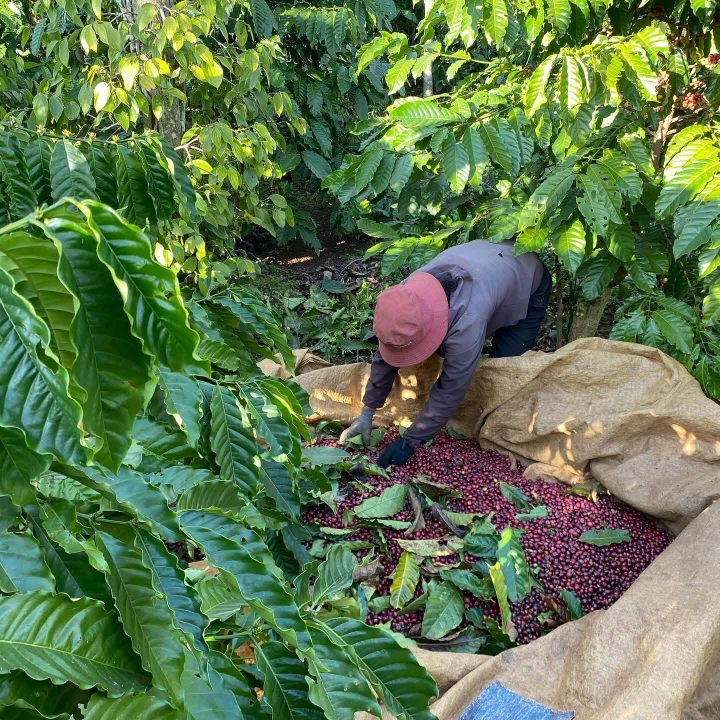
Women’s Role on Farm
In Lam Dong and other producing provinces, women account for about 50% of coffee farm workers, especially visible during the harvest and post‑harvest stages (sorting, drying, defect removal).
Training That Moves the Needle
Targeted programs show tangible progress. Over 2,300 women in Vietnam received agronomic and sustainability training through IFC–ECOM programs, doubling female participation in workshops from 12% (2010) to 25%, strengthening adoption of good practices and productivity.
In Northwest Vietnam, financial training and Village Savings & Loan Associations (VSLAs) increased women’s control over income, purchases, and market engagement—critical foundations for equitable participation and quality upgrading.
Entrepreneurship & Certification
Ngoc Anh Dao (Detech Coffee; founder of IWCA Vietnam) has helped farmers secure Rainforest Alliance/4C certifications, introduced agroforestry for resilience and cup quality, and developed crop‑insurance pilots—initiatives that directly benefit women who perform much of the field labor but have lacked formal leadership roles.
The Quality Opportunity
Industry analyses highlight that only a small share of Vietnam’s output is specialty‑grade, which signals sizable upside with investments in processing, traceability, and climate resilience.
Chi Nga's Story: Challenging the norms
Nguyen Thi Nga (Chi Nga), Vice Director of Namyang Agricultural and Service Cooperative in Gia Lai, has played a pivotal role in transforming the organization into a model of sustainable and organic agriculture. Under her leadership, Namyang has not only revived traditional crops like pepper and coffee but also elevated them to meet international standards of quality and sustainability.
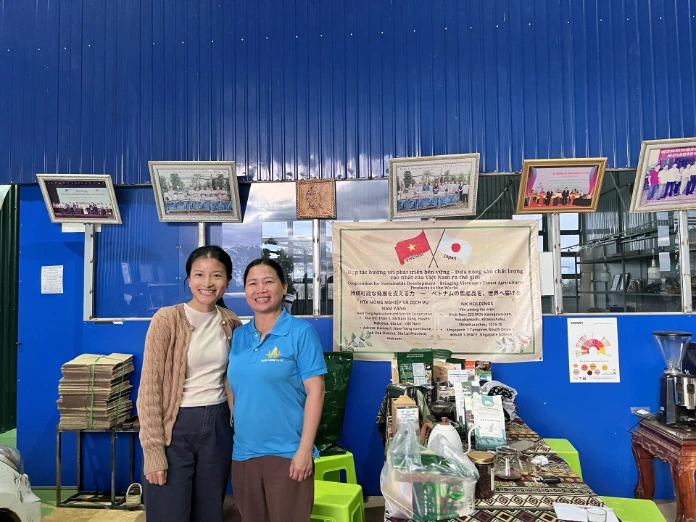
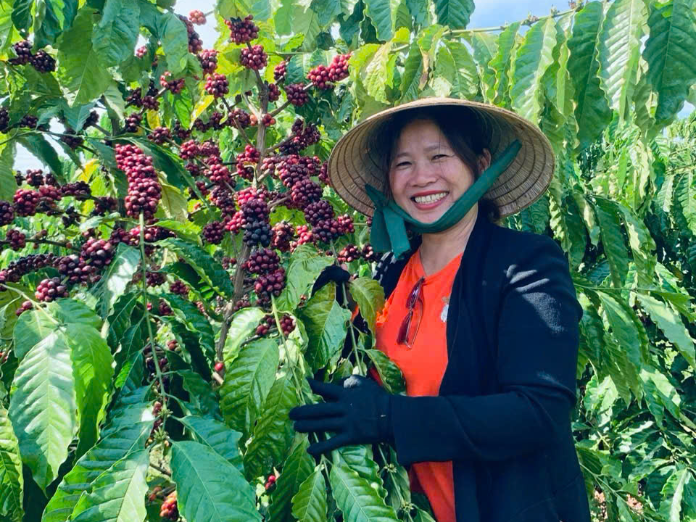
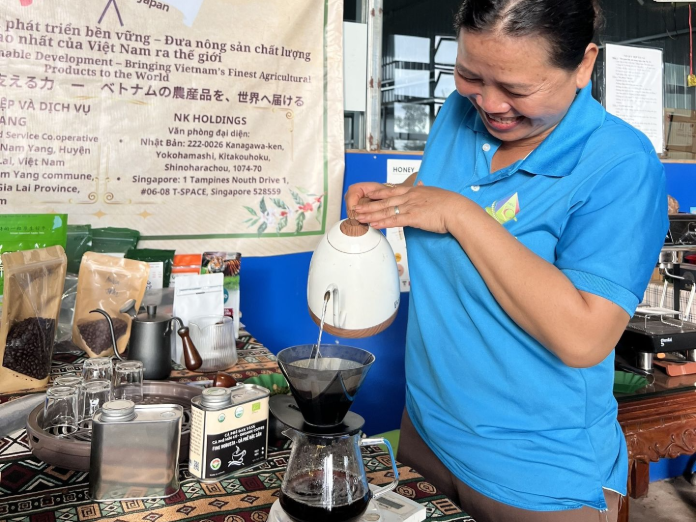
Her work has been especially influential in the development of organic coffee, where she has guided farmers to adopt eco-friendly cultivation practices, reduce reliance on chemical inputs, and focus on soil health and biodiversity. By emphasizing strict compliance with organic standards, she has helped position Namyang’s Đak Yang coffee as a premium product, recognized for its fine Robusta quality and distinctive flavor profile.
Beyond production, Chi Nga has been instrumental in building the cooperative’s brand identity, ensuring traceability, and meeting rigorous certification requirements. Her meticulous oversight in quality control, marketing, and communication has enabled Namyang’s products—both coffee and organic pepper—to achieve OCOP 5-star national recognition, effectively serving as a “passport” for entry into demanding domestic and international markets.
Equally important is her advocacy for women’s participation in agricultural leadership. By encouraging and empowering female members to take on management and technical roles, she has strengthened the cooperative’s resilience and ensured that organic farming is not only a sustainable practice but also a socially inclusive one.
Through her vision and dedication, Chi Nga has helped Namyang Cooperative become a shining example of how collective effort, modern management, and organic principles can elevate local agriculture into a globally competitive sector.
My Story: A Woman, an SCA Q Grader, and a Believer in Vietnam’s Coffee
I entered coffee the way many of us do—first through aroma and ritual, then through people and purpose. Becoming an SCA Q Grader gave me the technical language and calibration to advocate for Vietnamese coffee with credibility. Every cupping became a conversation between our producers and the world, a chance to translate hard work into flavor notes, consistency, and scores that markets recognize.
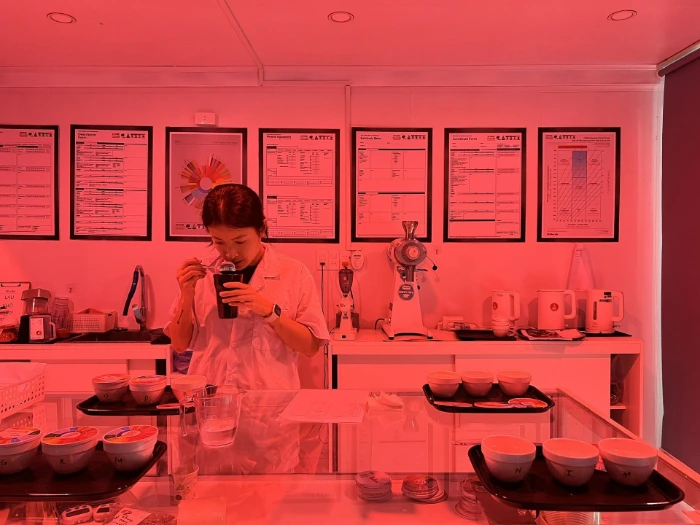
At the cupping table, I’ve tasted Vietnam’s diversity: clean, nutty profiles that shine in espresso blends; lots with dried‑fruit sweetness and cacao; brighter cups from higher‑elevation Arabica; and increasingly, carefully processed Robustas with surprising complexity. Too often, international buyers still associate Vietnam only with volume. My mission is to challenge that perception—one sample, one story, one relationship at a time.
My role is small compared to the countless women who pick, carry, dry, and sort every harvest. But small roles—multiplied—become movements.
Data‑Driven Evidence: Why Investing in Women Lifts Quality & Resilience
Participation & Productivity
Women supply the majority of labor in coffee production, yet have limited land ownership and financing—structural gaps that dampen investment in quality.
Closing gender gaps can raise yields 20–30% and reduce hunger 12–17%, reinforcing that equity strategies are directly tied to output and farm viability.
Training & Decision‑Making Power
In Vietnam, targeted training doubled women’s participation in agronomic workshops within a decade, strengthening adoption of good practices.
VSLAs and financial literacy programs increased women’s agency over income and market engagement, which correlates with better quality and bargaining outcomes.
Leadership & Market Access
Women are leading growth in emerging specialty markets, enhancing decision quality and innovation across supply chains.
Organizations like IWCA have scaled chapter capacity and visibility, creating pipelines for women into leadership and entrepreneurship.
Vietnam’s Quality Pathway
With production scale and a growing cohort of trained professionals (including women Q Graders), Vietnam can lift the share of specialty‑grade output via processing investments, traceability, and climate‑resilient varieties.
Case studies (e.g., Detech Coffee) show how certification, agroforestry, and insurance can improve both cup scores and risk management while making women’s labor more visible and valued.
What Works: Practical Actions for a More Equitable (and Better‑Tasting) Coffee Sector
- Invest in inclusive training. Schedule agronomy, processing, and cupping workshops at times and locations accessible to women; provide childcare or stipends where possible. (CQI’s recommendations emphasize gender‑sensitive training access.)
- Expand access to credit and assets. Facilitate microfinance, savings groups, and risk‑sharing tools (e.g., crop insurance) designed with women’s needs in mind. (Evidence from Vietnam’s VSLAs and impact programs points to significant gains.)
- Promote joint household decision‑making. Encourage shared control of production income and farm investments; this correlates with improved productivity and quality.
- Source and market women‑produced coffees. Create labeling, storytelling, and purchasing commitments that deliver premiums and recognition to women producers and women‑led businesses.
- Support women’s leadership networks. Partner with IWCA chapters and similar organizations to build pipelines into leadership, entrepreneurship, and technical roles (Q Grading, sensory, quality control).
Looking Ahead: Climate, Quality, and Women at the Center
Climate volatility and market consolidation are reshaping supply risks—and making investment in resilient varieties, better nurseries, and robust extension systems essential. Global programs are accelerating climate‑resilient breeding and trials to protect both farmer livelihoods and cup quality for the long term, efforts that benefit from the full inclusion of women at origin.
As Vietnam pushes further into quality, women’s hands and leadership will be decisive: careful cherry selection, disciplined drying curves, meticulous sorting, sensory literacy, and data‑driven process control are where quality is won. Empowering women at each of these steps strengthens both the cup and the community.
Conclusion: A Toast to the Women of Coffee
This International Women’s Day, let’s honor the women who power our daily cup—from field to fermentation bed, from cupping lab to export desk. The data tells us what our palates already suspect: when women have equitable access to resources, training, and leadership, coffee gets better—more resilient, more sustainable, more delicious.
For my part—as a Vietnamese woman and SCA Q Grader—I’ll keep calibrating, cupping, and advocating, one lot at a time, to showcase the richness and potential of Vietnamese coffee. Small roles add up. When we multiply this effort across thousands of women, we don’t just change the coffee industry—we change lives.
Here’s to the women of coffee. Here’s to our stories. And here’s to the bright, flavorful future we’re brewing together.
Join Us in Elevating Vietnamese Coffee
At VietRobust, we believe in the power of women, the power of quality, and the power of collaboration.
If this story resonates with you, here’s how you can be part of the movement:
☕ For Roasters & Importers
Are you looking for high‑quality, traceable Vietnamese coffees — including women‑produced and Q‑graded lots?
Let’s build long‑term value together.
👉 Contact us for samples, sourcing partnerships, or custom cupping sessions.
🌱 For Coffee Producers
If you’re a farmer or cooperative seeking quality guidance, sensory evaluation, or support in achieving higher-value markets, we’re here to help.
👉 Reach out to explore training, quality consulting, or collaborative processing programs.
🌍 For Coffee Lovers & Advocates
Support women in coffee by choosing ethically sourced, transparently traded Vietnamese beans.
👉 Explore our offerings or partner with us to share the story of Vietnam’s growing specialty scene.