
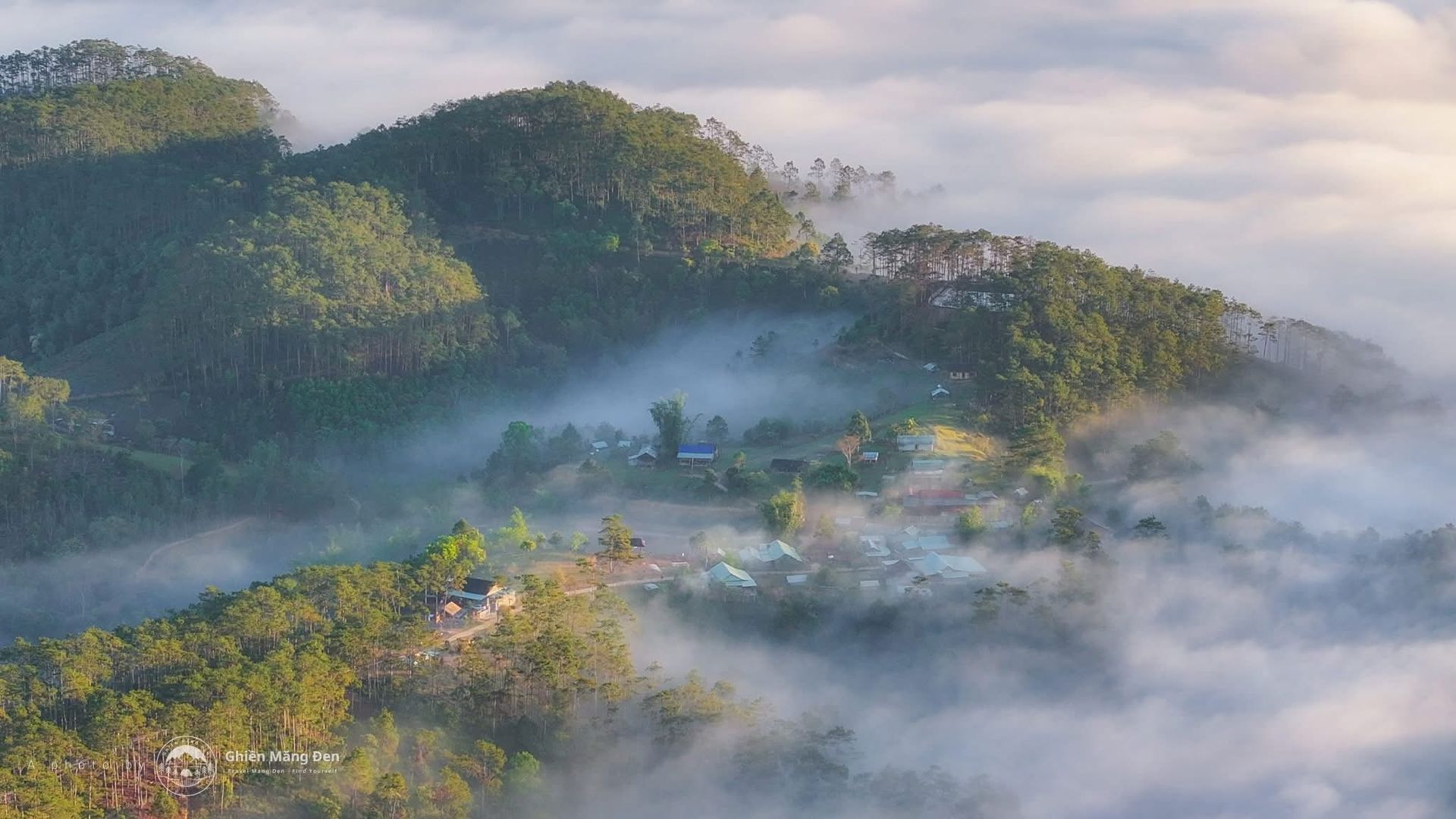
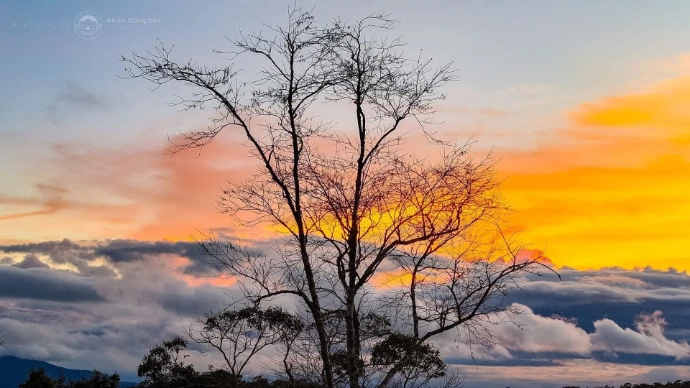
High in Vietnam’s Central Highlands, Măng Đen whispers before it ever shouts. At roughly 1,200 meters above sea level, the town trades tropical humidity for crisp mornings, needle‑soft breezes in the pines, and a rhythm that moves on mountain time. While it’s often compared to a “mini‑Da Lat,” Măng Đen remains gentler, wilder, and far less commercial—an awakening paradise that still feels like a secret.
What draws travelers isn’t a single landmark but a mosaic: seven lakes, three waterfalls, a sweeping pass with cinematic views, and indigenous cultures whose music of gongs and drums lingers in the dusk. The result is a destination where the itinerary is simple—walk, breathe, sip—and the memories are anything but.
The Lay of the Land
Where is Măng Đen?
Măng Đen sits in Kon Plông District, Kon Tum Province (Quang Ngai province nowadays), about 60–100 km from the nearest transport hubs, depending on your route. Travelers typically fly into Pleiku Airport and continue by road (1–2 hours), or arrive via Kon Tum City before taking the switchbacking Măng Đen Pass—a drive that trades minutes for panoramas.
Why it feels different
The altitude brings a cool, temperate climate and supports pine forests, flower farms, and temperate crops. It’s a natural fit for eco‑tourism and slow travel—less about box‑ticking, more about immersion.
Forests, Waterfalls, and Seven Lakes
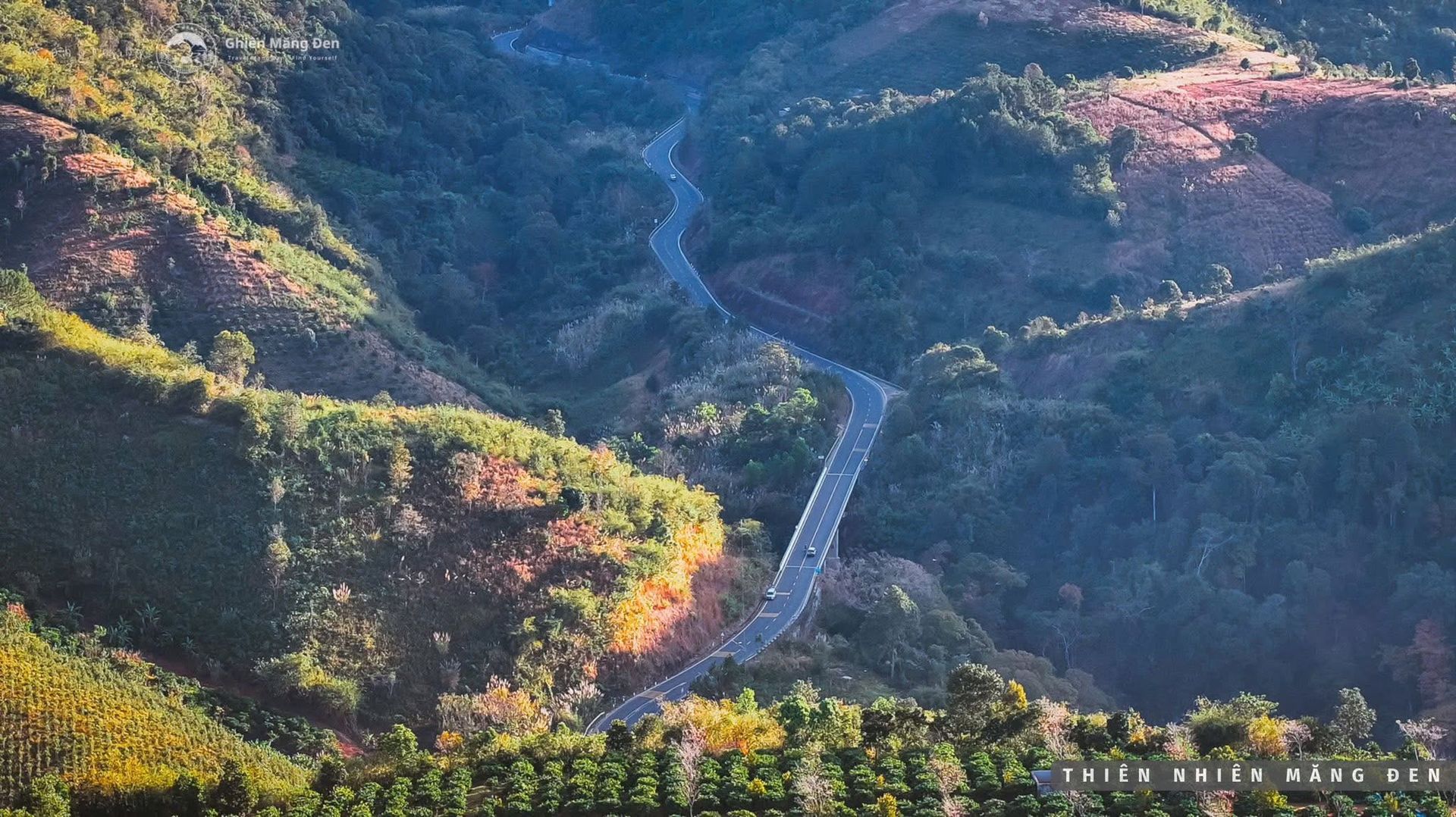
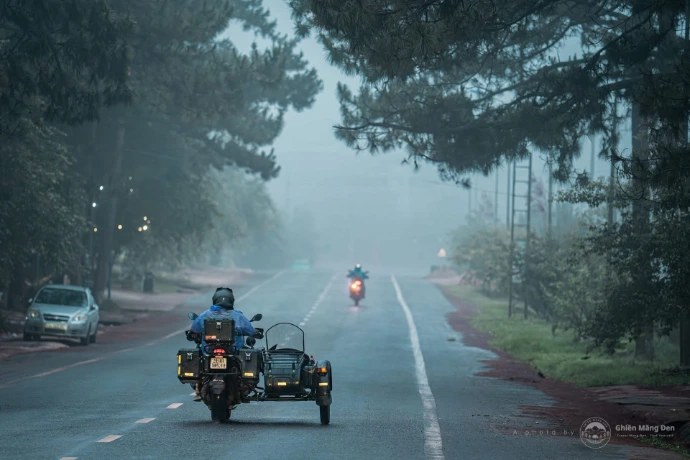
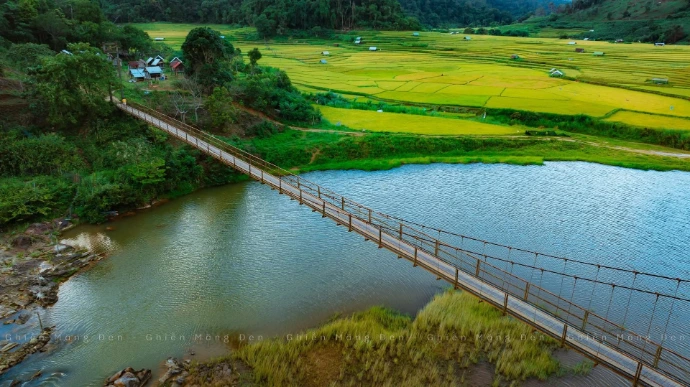
Măng Đen’s beauty is iterative: you see it in layers. Start with the Măng Đen Pass, a serpentine ribbon that reveals terraces, farm plots, and valleys quilted in green—a preview of the quiet to come.
At the heart of town, Đắk Kê (Toong Ro Poong) Lake is the best known of the region’s lakes—still waters ringed by pines, walking paths, and reflections that stretch into late afternoon. Canoeing and lakeside strolls are standard; if you visit in golden hour, bring a thermos.
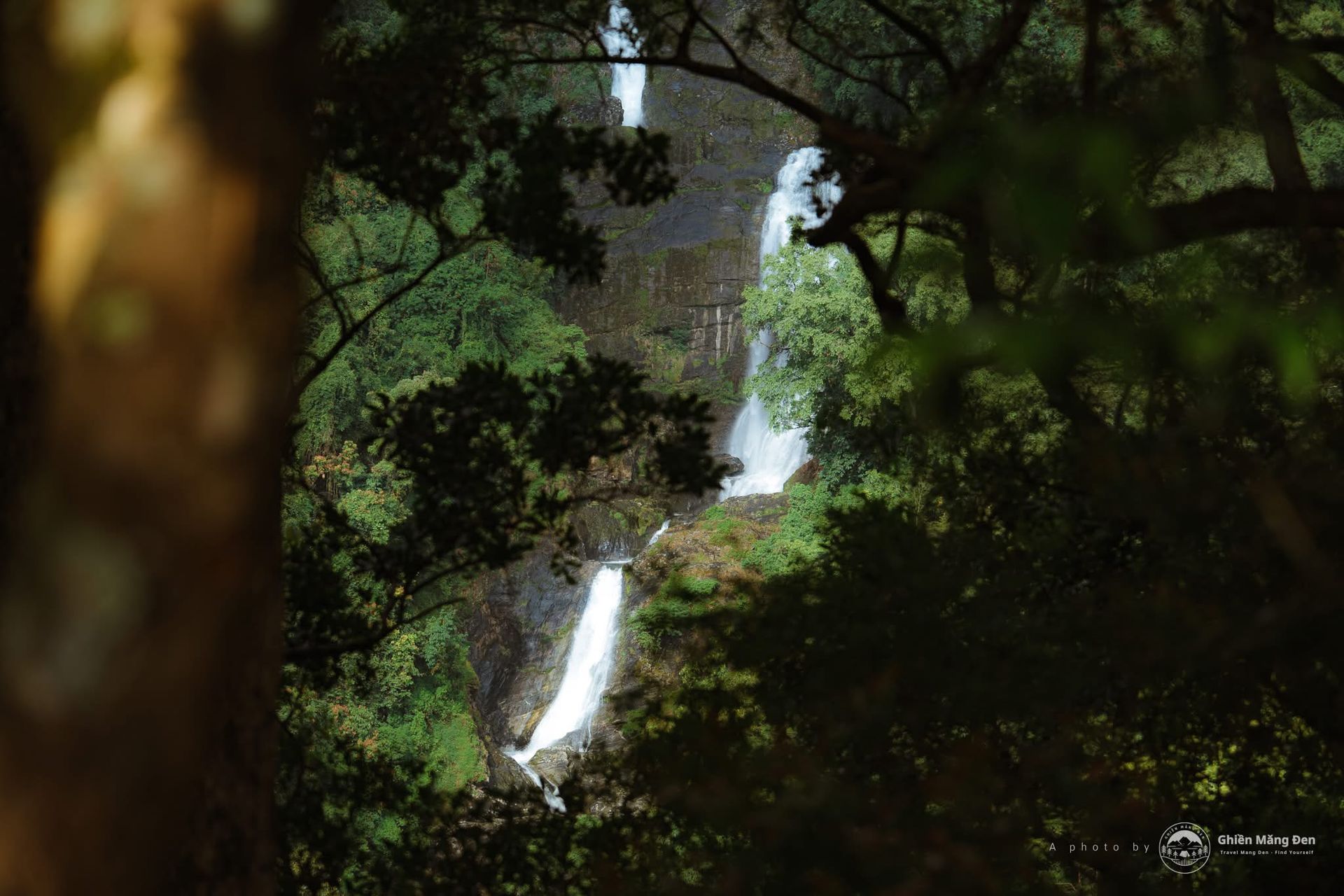
A short drive away, Pa Sỹ Waterfall drops like a white silk ribbon, formed from three converging streams (hence its local name origin). The mist cools the air even on sunny days, and a small bridge gives a vantage point for photographs that don’t need filters.
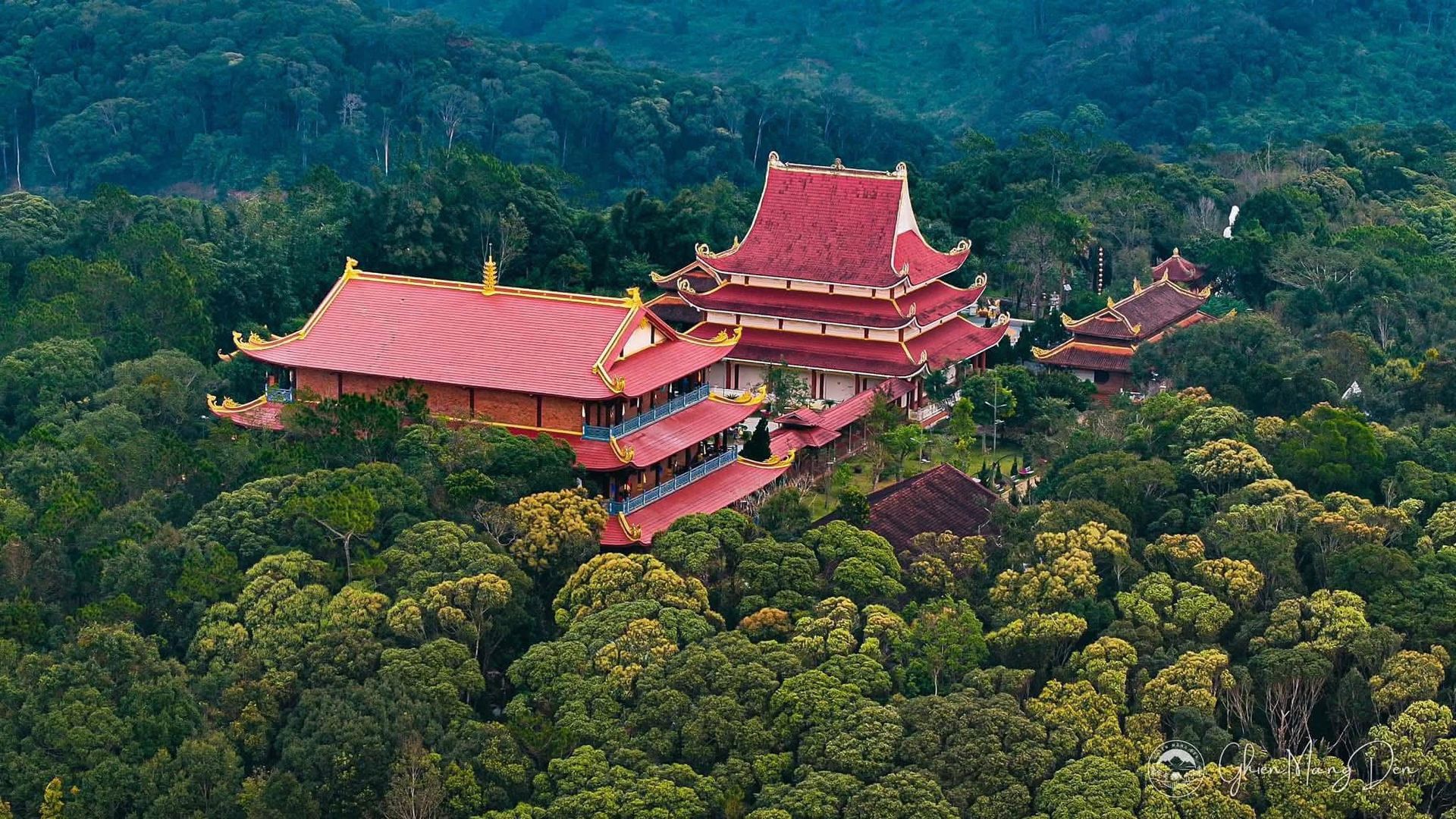
Beyond the headliners, you’ll find Khanh Lâm Pagoda tucked in forested slopes, lesser‑known lakes like Toong Đam, and community‑run farm experiences. If you want a deeper, up‑to‑date list of attractions—lake circuits, flower farms, wooden statue gardens—local guides and recent roundups are invaluable.
People, Culture, and the Sound of Gongs
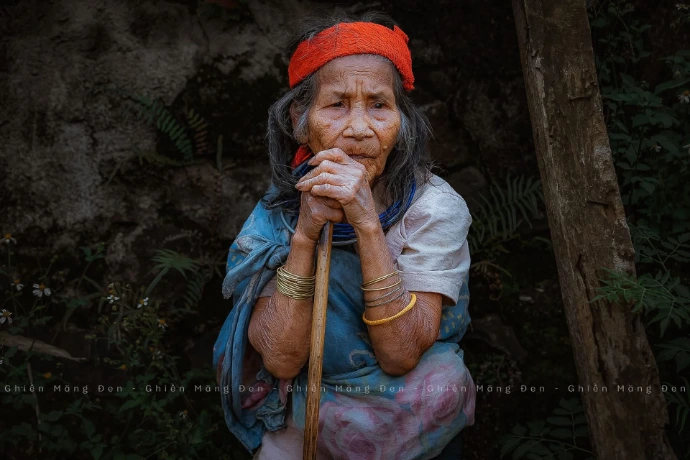
Măng Đen is home to ethnic minority communities including the Mo Nam, Ca Dong, Xê Đăng, and H’rê. Cultural encounters here tend to feel unhurried: a communal jar of homemade rice wine shared through bamboo straws; a gong performance in a village yard; stories of farming cycles and forest knowledge. When opportunities arise to join a ceremony or meal, come with curiosity and respect—and consider booking through community‑linked hosts so your spending circulates locally.
Coffee, Elevated: Why Măng Đen Arabica Is Having a Moment
Vietnam may be synonymous with robusta, but tucked in the Central Highlands, Arabica is quietly making waves. Măng Đen’s cool climate, volcanic soils, and elevations around 1,190–1,200 meters create ideal conditions for beans with clarity: gentle acidity, natural sweetness, and a clean finish that keeps you reaching for another sip. Specialty roasters highlight notes of cocoa, stone fruit, florals, and even a whisper of pine depending on the roast.
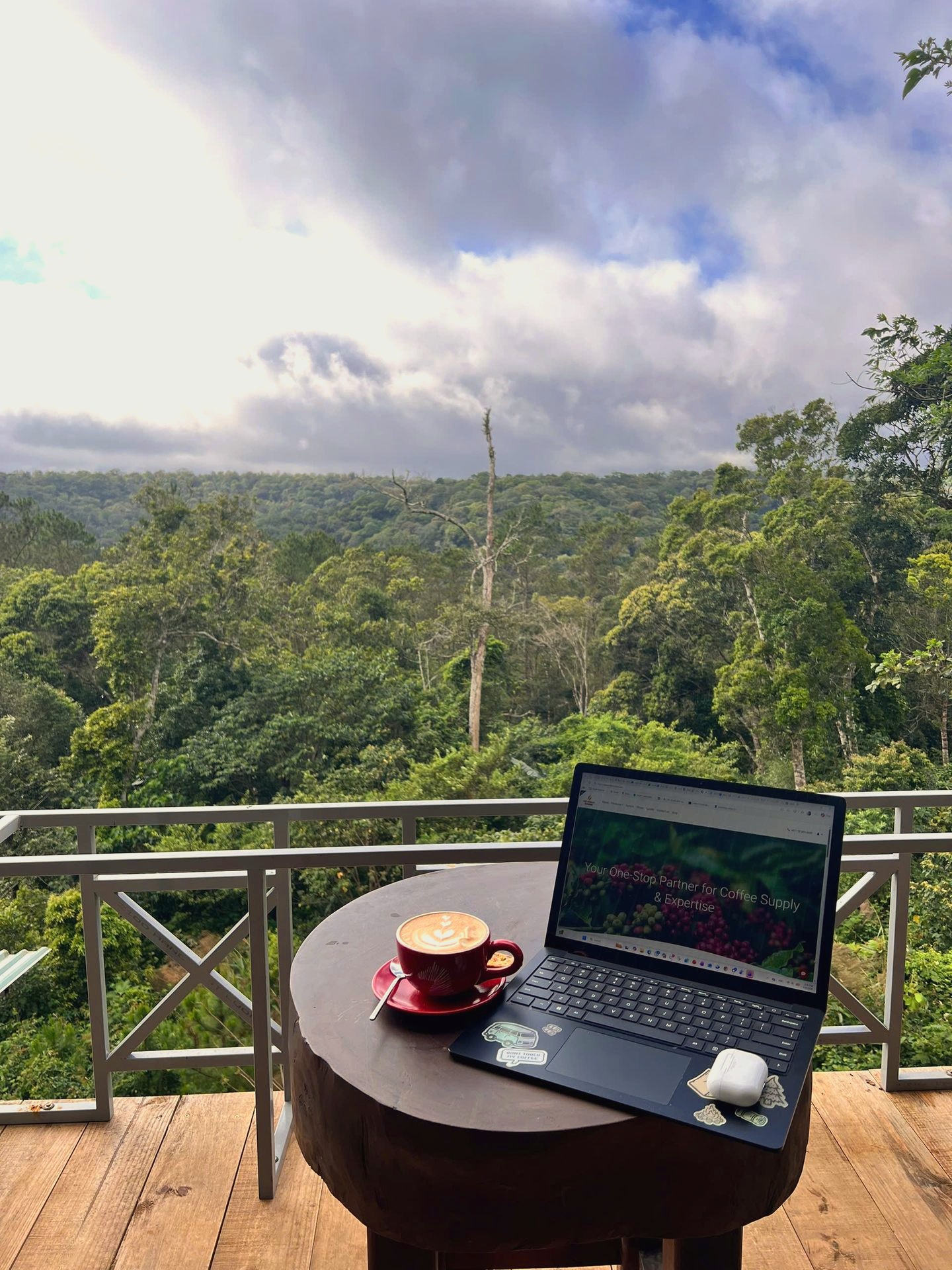
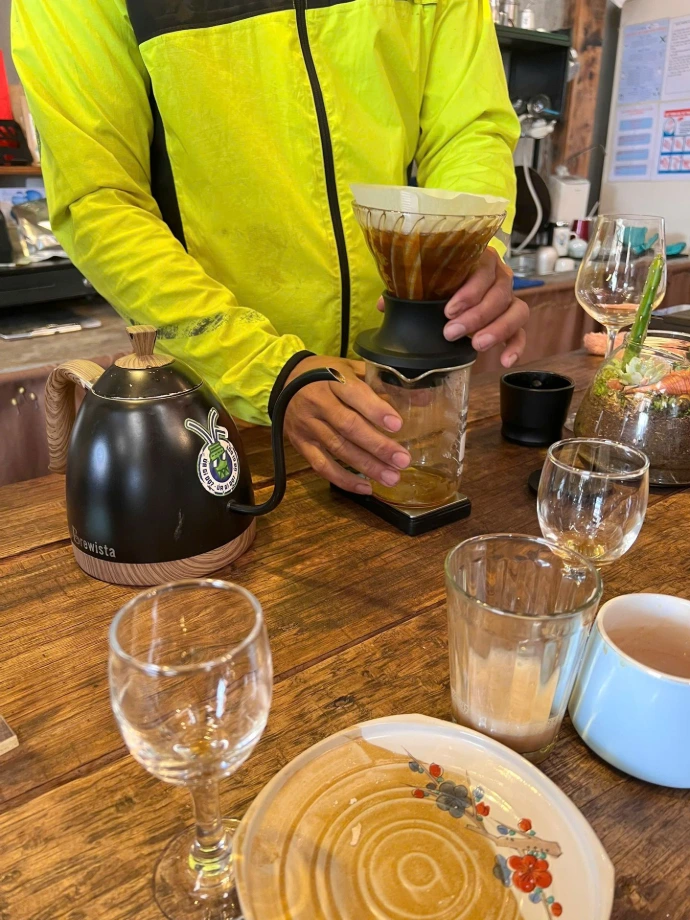
This mountain town is fast becoming a hub for specialty coffee. The newly founded Măng Đen Specialty Coffee Association champions local Arabica, while cafés across town showcase it proudly. At spots like Meli Coffee, Ray Rừng Coffee, or 1300's Factory, minimalist glass‑and‑wood spaces open onto pine forests, serving pourovers that foreground local beans alongside shelves of specialty bags to take home. Visit on a bright morning for sunbeams through needles, or on a rainy afternoon for the rhythm of droplets and the scent of wet bark. Either way, an Arabica pourover pairs perfectly with the quiet—this is terroir you can taste.
For those who want to go beyond the cup and study coffee professionally, Stone Village Lab offers a wide range of courses and internationally recognized certifications by the Specialty Coffee Association (SCA). It’s a chance to deepen your knowledge right at the source.
And Măng Đen’s coffee doesn’t stop at the source. Beans from this origin are appearing in cafés across Vietnam and abroad, proof that this once‑“quiet” origin is finding its voice on specialty menus worldwide.
A 3‑Day Slow‑Travel Itinerary
Day 1 — Arrival & Lakeside Loops
- Morning: Fly into Pleiku; transfer to Măng Đen by car or minibus (about 1–2 hours). Settle into a homestay or pine‑ringed lodge.
- Afternoon: Stroll around Đắk Kê Lake; rent a canoe if the weather holds. Stop for coffee with a view.
- Evening: Dinner of cơm lam (bamboo rice) with grilled chicken; early night and star‑gazing if skies are clear.
Day 2 — Waterfalls, Pagodas, and Village Life
- Morning: Drive to Pa Sỹ Waterfall; take the forest trail and linger at the bridge overlook.
- Lunch: Picnic or a local eatery; try gà lá gai (chicken wrapped in leaves) or regional broths.
- Afternoon: Visit Khanh Lâm Pagoda for mountain‑framed meditation; continue to a nearby village for a guided cultural visit, arranged through your host.
- Evening: Sample local rice wine, ideally in a context hosted by the community.
Day 3 — Coffee & the Pass
- Morning: Ray Rung Coffee for a cupping or a slow pourover; pick up freshly roasted beans.
- Late Morning: Short hike in the pine forest; photograph wildflowers in season.
- Afternoon: Drive back over the Măng Đen Pass toward Kon Tum or Pleiku, stopping for final vistas.
When to Go
Măng Đen’s cool climate makes it a year‑round option. Dry months typically offer clearer skies for pass views and waterfalls with photogenic flow; rainy spells paint the forest in richer greens and make café hours especially cozy. Either way, pack layers—temperatures can dip, especially at night.
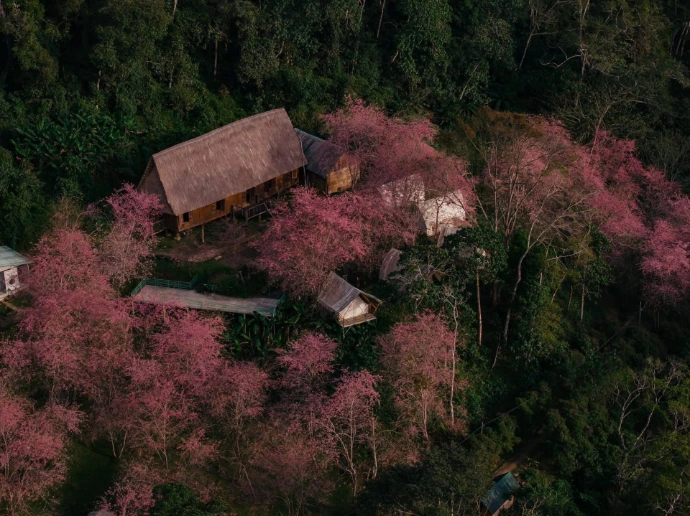
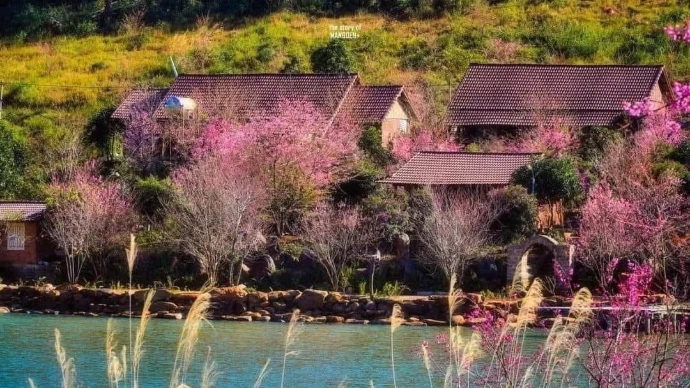
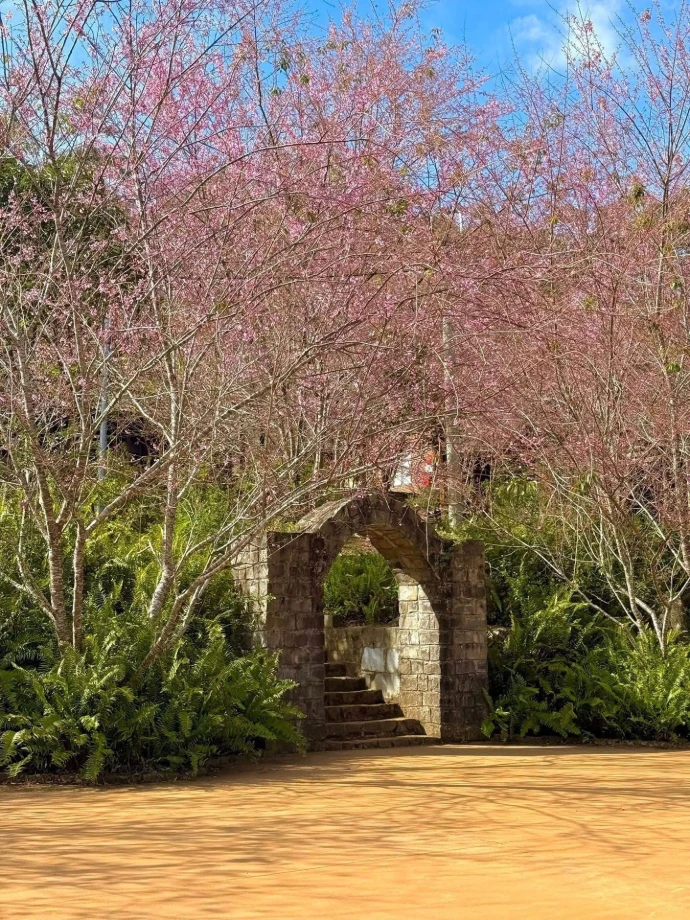
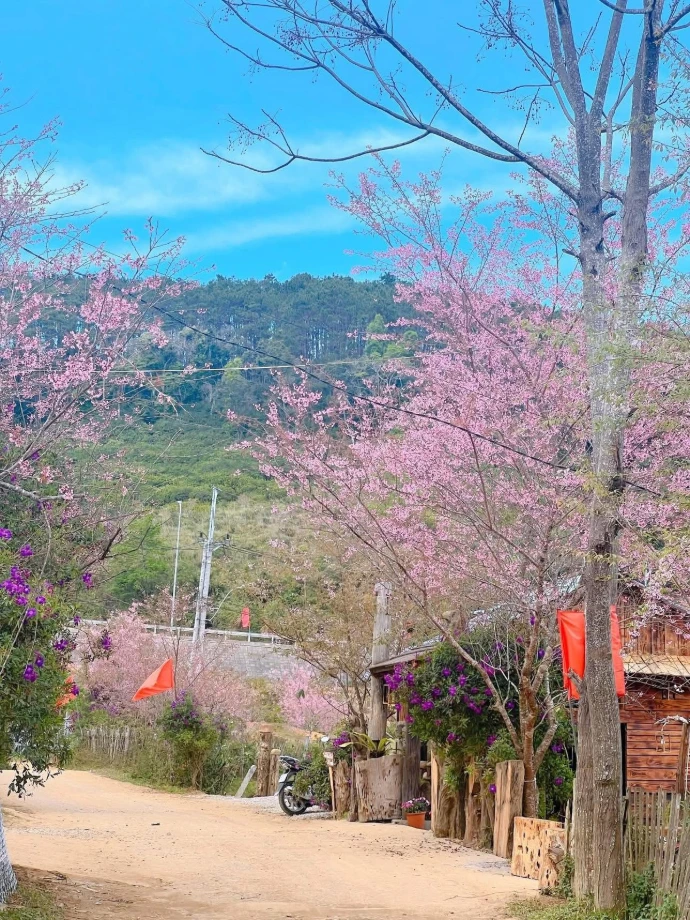
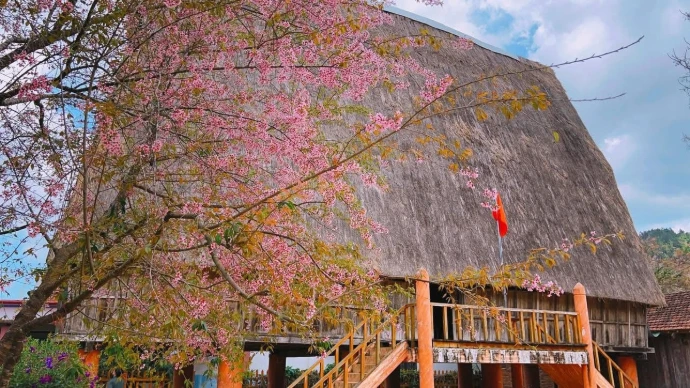
For a truly magical visit, plan your trip in December–January, when hoa anh đào (cherry blossoms) burst into bloom. The whole town blushes pink, turning streets and pine‑lined paths into a dreamy backdrop for your explorations. According to local statistics, Măng Đen now boasts more than 20,000 cherry blossom trees, concentrated mainly in the town center. Each winter, they unfurl in succession, creating soft pink ribbons against the clear blue sky. These trees are the result of planting and careful cultivation that began in the early 2010s, and today they transform the highland town into a poetic landscape that feels almost otherworldly.
Getting There & Getting Around
Fly into Pleiku (PXU), the closest airport, then continue about 1–2 hours by road to Măng Đen. From Kon Tum City, the drive is roughly 60 km via the scenic Măng Đen Pass.
On arrival, rent a motorbike (≈120,000 VND/day) for lakes, pagodas, and café hopping; or use local taxis for point‑to‑point transfers. In town, using Xanh SM app, you can also travel comfortably — all taxis are electric vehicles, part of Măng Đen’s push to promote eco‑friendly travel.
Where to Stay
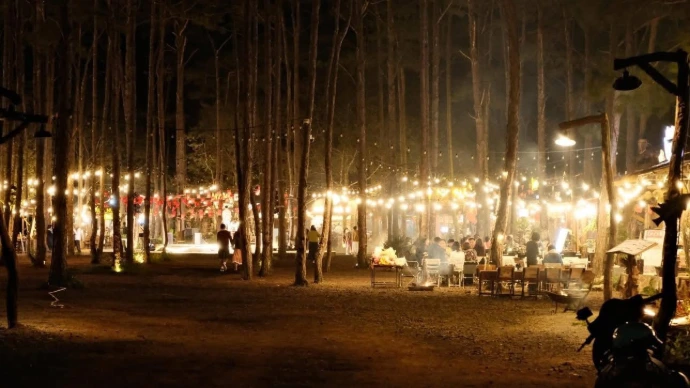
You’ll find homestays, cabins, and small resorts tucked among the pines. Campers can pitch in designated areas near the pine forest, while those craving more amenities can choose lodge‑style properties with fireplaces and hot drinks on tap. Book ahead on weekends and holidays; weekdays reward the early birds with extra quiet.
What to Eat (and Drink)
- Cơm lam & grilled chicken: Classic highland comfort.
- Gà lá gai: Chicken steamed in fragrant leaves.
- Local herbal teas & hot drinks: Perfect for the chill.
- And of course, Măng Đen Arabica—black, with milk, or as a careful pourover.
The Feeling You Take Home
Măng Đen is a place of small luxuries: the hush of pine needles underfoot, the way lake mist lifts at dawn, the warmth of a village welcome, the clarity of a well‑made cup. It’s travel as an exhale—unrushed, fragrant, and quietly memorable. And as word gets out, now is the moment to go—before this paradise fully awakens.